

Employment Protections Against Workplace Discrimination in New York
New York law provides robust protections against workplace discrimination, prohibiting adverse actions based on protected characteristics such as race, gender, age, and disability. Employees can file complaints with state or federal agencies and pursue legal remedies for violations. Phillips & Associates helps workers navigate these rights and secure fair outcomes. according to Workplace discrimination and
The Statutory Framework for Worker Rights
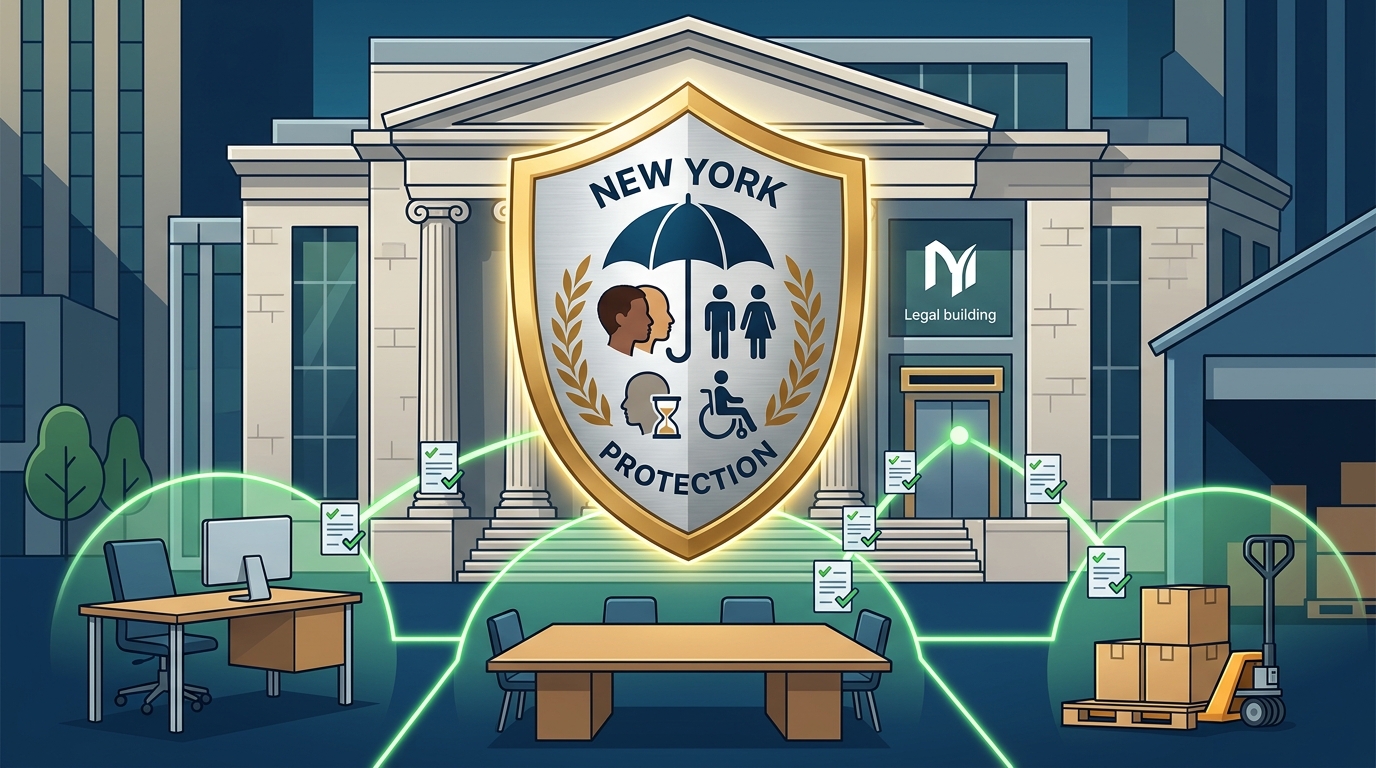
New York State Human Rights Law (NYSHRL) is the primary statute governing workplace discrimination in the state. It prohibits discrimination and harassment based on a wide range of protected characteristics, including age, race, creed, color, national origin, sex, gender identity, sexual orientation, disability, and marital status. The law applies to employers of all sizes, offering broader coverage than federal law. Additionally, the New York City Human Rights Law (NYCHRL) provides even more expansive protections for workers within the city, covering additional categories such as status as a victim of domestic violence and genetic information. These statutes work in tandem with federal laws like Title VII of the Civil Rights Act and the Americans with Disabilities Act (ADA), creating a layered system of protection. Understanding which law applies to your specific situation is the first step in asserting your rights.
Filing a Complaint: State and Federal Agencies
Employees who believe they have been discriminated against can file a charge with the New York State Division of Human Rights (DHR) or the New York City Commission on Human Rights (CCHR). The federal Equal Employment Opportunity Commission (EEOC) also accepts charges of discrimination. Filing with the EEOC is often a prerequisite for filing a lawsuit in federal court, as the agency must issue a right-to-sue letter. The New York State Department of Labor and the NYC Department of Consumer and Worker Protection (DCWP) also play roles in enforcing labor standards and worker rights. Each agency has specific deadlines for filing complaints, so acting promptly is critical. For example, a charge with the EEOC must generally be filed within 300 days of the alleged discriminatory act in states with their own anti-discrimination agencies, like New York. Missing these deadlines can result in the dismissal of your claim.
Available Remedies and Legal Recourse
Protection Against Retaliation
New York law strictly prohibits retaliation against employees who exercise their rights under anti-discrimination statutes. Retaliation can take many forms, including termination, demotion, reduced hours, or a hostile work environment. The law protects employees who file a complaint, participate in an investigation, or oppose discriminatory practices. Retaliation claims are often brought alongside underlying discrimination claims, as employers may retaliate in response to a worker's assertion of rights. The burden of proof for retaliation claims involves showing that the protected activity was a motivating factor in the adverse employment action. Employees who experience retaliation after filing a complaint should document the events and seek legal advice immediately. Phillips & Associates represents workers who face retaliation for asserting their rights in the workplace.
Practical Steps for Asserting Your Rights
When facing workplace discrimination, it is important to take practical steps to protect your position. Document all incidents of discrimination, including dates, times, locations, and witnesses. Keep copies of any relevant emails, performance reviews, or other communications. Report the discrimination through your employer's internal complaint process, if one exists, while also considering filing a charge with a government agency. Be aware that internal complaints do not stop the statute of limitations from running. It is also advisable to consult with an employment attorney before making any significant decisions, such as resigning or signing a severance agreement. An attorney can help you evaluate the strength of your claim and develop a strategy for pursuing relief. Phillips & Associates provides free consultations to help workers understand their options and next steps.
Key Takeaways
- New York State and City human rights laws provide broad protections against workplace discrimination, covering more characteristics than federal law.
- Employees can file complaints with the NY State DHR, NYC CCHR, or the federal EEOC, each with specific deadlines.
- Successful claims can result in back pay, compensatory damages, punitive damages, and attorney's fees.
- New York law strictly prohibits retaliation against employees who assert their rights under anti-discrimination statutes.
- Documenting incidents and consulting with an attorney early are critical steps in building a strong discrimination claim.
- The NYCHRL offers particularly strong protections for workers in New York City, including for victims of domestic violence.
- Phillips & Associates specializes in representing employees in discrimination and harassment cases across New York.
Frequently Asked Questions
What is the deadline to file a discrimination complaint in New York?
For federal claims, you generally have 300 days to file a charge with the EEOC in New York. For state claims under the NYSHRL, you have one year to file a complaint with the Division of Human Rights. For NYC claims under the NYCHRL, you have one year to file with the Commission on Human Rights. It is best to file as soon as possible to preserve your rights.
Can I sue my employer for discrimination in New York?
Yes, you can sue your employer for discrimination, but you must first file a charge with the EEOC or a state agency and receive a right-to-sue letter. You cannot file a lawsuit directly in court without going through the administrative process first.
What counts as a protected characteristic under New York law?
Protected characteristics include age, race, creed, color, national origin, sex, gender identity, sexual orientation, disability, marital status, military status, and genetic information. The NYC Human Rights Law also protects status as a victim of domestic violence and other categories.
Do I need a lawyer to file a discrimination complaint?
You do not need a lawyer to file a complaint with the EEOC or state agencies, but having an attorney can help you navigate the process and build a stronger case. An attorney can also help you negotiate a settlement or represent you in court if the case proceeds to litigation.
What is the difference between the NYSHRL and the NYCHRL?
The NYSHRL applies to all employers in New York State, while the NYCHRL applies only to employers in New York City. The NYCHRL is generally considered more employee-friendly, with a lower burden of proof for establishing discrimination and broader coverage of protected characteristics.
Can my employer fire me for filing a discrimination complaint?
No, it is illegal for an employer to retaliate against you for filing a discrimination complaint or participating in an investigation. Retaliation is a separate violation of New York law and can be the basis for a legal claim.
Conclusion
New York offers some of the strongest employment protections in the country, ensuring that workers are treated fairly and free from discrimination. Understanding your rights and the available legal remedies is essential for holding employers accountable. If you believe you have been discriminated against, contact Phillips & Associates for a free consultation to discuss your options.