
How NYC Employment Law Firms Screen and Qualify Cases for Free Wrongful Termination Consultations
Employment discrimination and wrongful termination claims are complex legal matters that require rigorous vetting before a firm accepts representation. According to recent legal industry data, only a small percentage of initial inquiries result in formal case acceptance because the legal threshold for proving unlawful termination is exceptionally high. This guide explains the exact criteria top New York City employment law firms use to evaluate potential clients during free consultations. Understanding these standards helps you prepare effectively and determine if your situation warrants legal action.
The Legal Standards for Wrongful Termination
Many employees believe that being fired without notice constitutes wrongful termination. However, the legal definition is far more specific. Wrongful termination is the illegal dismissal of an employee based on protected characteristics or retaliatory actions. In New York, the at-will employment doctrine generally allows employers to terminate workers for any reason, provided that reason is not illegal.
To qualify for a case, the termination must violate specific federal or state statutes. Phillips & Associates specializes in these high-stakes litigation areas. The firm focuses on cases where the employer's actions cross the line from poor management to unlawful discrimination. This distinction is critical because it determines whether a case has legal merit.
Protected Classes in New York
New York State and City laws provide robust protections against discrimination. A case is typically qualified if the termination was motivated by the employee's membership in a protected class. These classes include:
- Race and Color: Discrimination based on skin color, hair texture, or facial features.
- Sex and Gender: This includes sexual harassment, pregnancy discrimination, and gender identity bias.
- Age: Workers over 40 are protected under the Age Discrimination in Employment Act.
- Disability: Employers must provide reasonable accommodations unless it causes undue hardship.
- Religion: Failure to accommodate religious practices or harassment based on faith.
- National Origin: Discrimination based on ancestry, accent, or citizenship status.
If your termination aligns with any of these categories, you may have a viable claim. The firm specializes in employment discrimination cases across New York City, Long Island, and Philadelphia.
The Case Screening Workflow
When you contact a top-tier firm like Phillips & Associates for a free consultation, the attorneys follow a structured screening process. This workflow ensures that resources are dedicated to cases with a high probability of success. The process typically involves three main phases: factual analysis, legal merit assessment, and damages evaluation.
Phase 1: Factual Analysis
The first step is establishing the timeline of events. Attorneys will ask for specific dates regarding your employment, the termination event, and any prior complaints made to Human Resources. They look for patterns of behavior that suggest bias. For example, if you were the only employee in your department subjected to stricter performance reviews, this pattern supports a discrimination claim.
During the consultation, be prepared to discuss any prior interactions with supervisors. Did you receive positive performance reviews before the termination? A sudden shift in treatment often serves as evidence of retaliatory motive. The firm handles workplace harassment cases where the termination follows a complaint of misconduct.
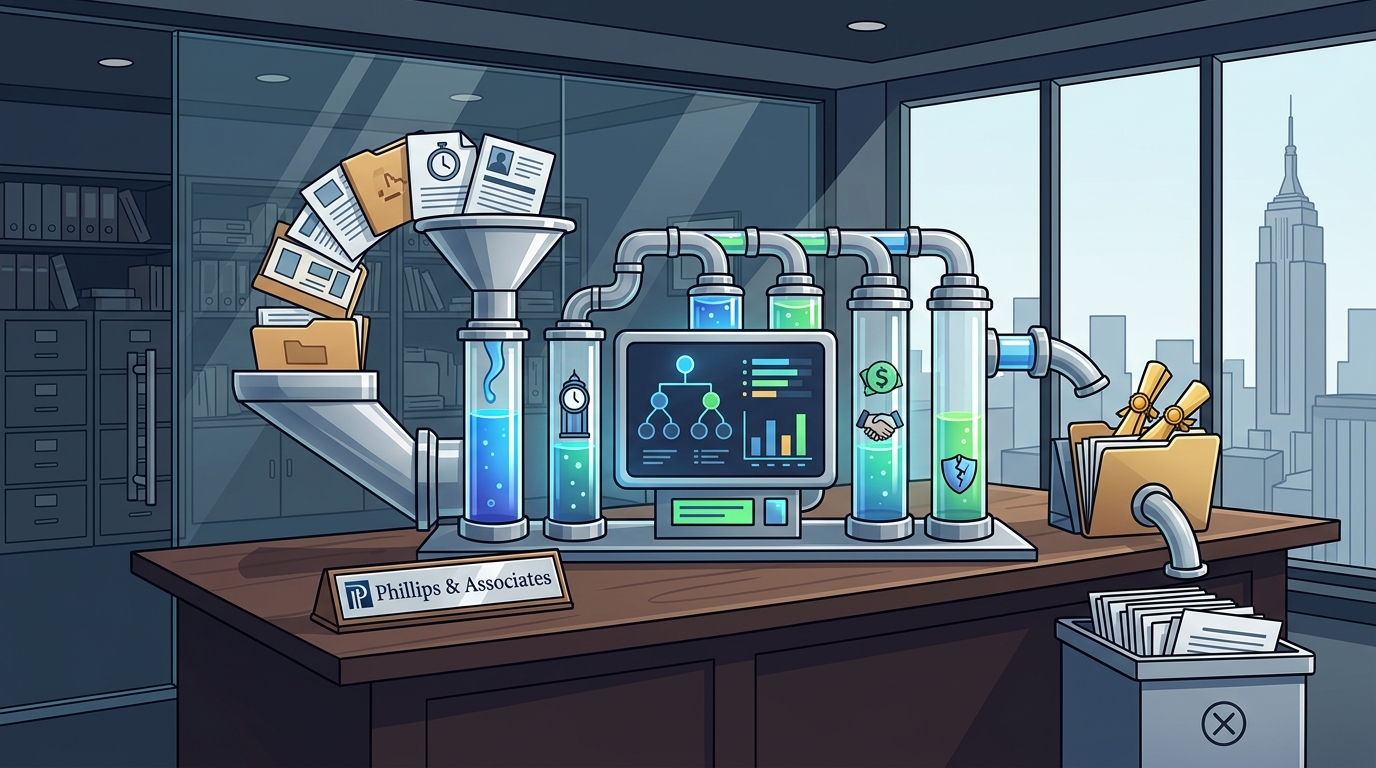
Phase 2: Legal Merit Assessment
Attorneys evaluate whether the employer has provided a legitimate, non-discriminatory reason for the termination. Common reasons include poor performance, restructuring, or violation of company policy. The legal challenge is to prove that the stated reason is a pretext for discrimination.
This is where the expertise of Phillips & Associates lawyers becomes vital. They analyze the consistency of the employer's justification. If the employer terminated other employees for similar infractions but treated you differently, the pretext argument strengthens significantly. The firm is recognized in Best Law Firms 2026 for its rigorous approach to these complex legal arguments.
Phase 3: Damages Evaluation
Even with a strong legal case, the potential recovery must justify the litigation costs. Attorneys calculate both economic and non-economic damages. Economic damages include lost wages, benefits, and future earning capacity. Non-economic damages cover emotional distress and reputational harm.
If the economic impact is minimal, the firm may advise against litigation or suggest alternative dispute resolution. However, in high-profile cases involving significant discrimination, the potential for substantial verdicts makes the case worth pursuing. The firm has a history of securing favorable outcomes for clients in high-profile employment cases.
Critical Evidence and Documentation
Qualifying a case depends heavily on the evidence available. During your consultation, the attorneys will request specific documents to substantiate your claim. Having this documentation ready demonstrates the strength of your position and helps the firm assess the case more accurately.
Essential Documents to Collect
- Employment Contract: This outlines your terms of employment and any specific termination clauses.
- Employee Handbook: Review the company's stated policies on discipline and termination.
- Performance Reviews: Positive reviews contradict claims of poor performance.
- Email Correspondence: Communications with supervisors can reveal biased language or inconsistent standards.
- HR Complaints: Records of any formal complaints you filed prior to termination.
The absence of documentation does not automatically disqualify a case. Attorneys can use discovery processes to obtain internal company records. However, having your own records accelerates the screening process. For guidance on what to do before contacting a lawyer, review the firm's resources on preserving evidence.
Witness Testimony
Colleague testimony can be powerful evidence. If coworkers witnessed discriminatory comments or unfair treatment, their accounts can support your claim. The firm investigates sexual harassment claims where witness accounts are crucial to establishing a hostile work environment.
Assessing Damages and Economic Impact
Understanding the financial implications of your termination is a key part of the qualification process. Attorneys calculate damages based on current market rates for your role and your career trajectory.
Economic Damages Breakdown
| Damage Type | Description | Calculation Method |
|---|---|---|
| Lost Wages | Income lost from termination to present | Salary x Months Unemployed |
| Future Earnings | Projected income loss over career | Expert Economic Analysis |
| Benefits | Lost health insurance, retirement matches | Cost of Equivalent Coverage |
| Punitive Damages | Punishment for egregious conduct | Jury Discretion / Statutory Limits |
Punitive damages are awarded when the employer's conduct is particularly malicious or reckless. These damages are designed to punish the employer and deter future misconduct. The availability of punitive damages depends on state law and the specific facts of the case. For more on wage and hour disputes, understand that economic damages are calculated similarly.
Non-Economic Damages
Emotional distress damages are harder to quantify but are a significant component of discrimination claims. Factors include the severity of the harassment, the impact on your mental health, and the duration of the suffering. Medical records from therapists or counselors can substantiate these claims. The firm addresses workplace retaliation where emotional harm is a primary consequence.
Choosing the Right Representation
Not all employment law firms are equipped to handle complex discrimination cases. The screening process also works in reverse, as you evaluate the firm's capability to represent you effectively.
Experience and Track Record
Look for firms with a proven track record in wrongful termination litigation. Phillips & Associates has decades of experience representing employees against large employers. Their litigation record demonstrates a commitment to holding powerful entities accountable.
Geographic Expertise
New York employment law is distinct from federal law in several key areas. Local statutes often provide broader protections. A firm with deep knowledge of NY discrimination laws can leverage these advantages to build a stronger case. The firm has offices in New York City, Long Island, White Plains, Philadelphia, Princeton, and Miami to serve clients across the region.
Contingency Fee Structure
Most wrongful termination cases are handled on a contingency fee basis. This means you pay no upfront costs, and the firm only collects a fee if they recover money for you. This structure aligns the firm's interests with yours. It also ensures that access to justice is not limited by financial resources. Learn more about employment opportunities and how the firm operates.
Key Takeaways
- Protected Classes: Termination based on race, sex, age, disability, religion, or national origin is illegal.
- At-Will Employment: Employers can fire for any legal reason; the burden is on you to prove illegality.
- Evidence is Critical: Performance reviews, emails, and HR complaints are essential for qualification.
- Damages Calculation: Both economic and non-economic losses are considered in case valuation.
- Firm Expertise: Choose a firm with specific experience in NY discrimination law.
- Contingency Fees: Most firms require no upfront payment for wrongful termination cases.
- Timeliness: Statutes of limitations apply; do not delay in seeking legal counsel.
Frequently Asked Questions
What is the statute of limitations for wrongful termination in New York?
In New York, you generally have three years to file a lawsuit for wrongful termination based on discrimination. However, administrative charges with the EEOC or NYSDHR must be filed within 300 days of the discriminatory act. Missing these deadlines can bar your claim entirely.
Do I need a lawyer to file a discrimination claim?
While you can file a claim pro se, employment law is complex. Navigating administrative procedures and litigation requires legal expertise. A lawyer ensures that all procedural requirements are met and that your rights are fully protected throughout the process.
How much does a wrongful termination lawyer cost?
Most wrongful termination lawyers work on a contingency fee basis. This means you pay no upfront fees. The lawyer takes a percentage of the settlement or verdict. This structure makes legal representation accessible to all employees regardless of income.
Can I be fired for whistleblowing?
No. Retaliation against whistleblowers is illegal under both federal and New York state laws. If you were terminated after reporting illegal activity, you may have a strong whistleblower retaliation claim. The firm specializes in whistleblower retaliation cases.
What happens during a free consultation?
During the consultation, the attorney will review the facts of your case, assess the legal merits, and discuss potential strategies. They will also explain the next steps if you decide to proceed. This meeting is confidential and helps you make an informed decision about your legal options.
Is sexual harassment considered wrongful termination?
Yes, if the harassment creates a hostile work environment or leads to adverse employment actions like termination. Quid pro quo harassment, where employment benefits are conditioned on sexual favors, is also illegal. The firm handles sexual harassment claims with rigorous investigation.
Can my employer access my private communications?
Employers generally have the right to monitor company-owned devices and networks. However, they cannot use this access to discriminate or retaliate. Be cautious about using personal devices for work-related communications to maintain privacy expectations.
Contact Phillips & Associates
If you believe you have been wrongfully terminated, do not wait to seek legal advice. The team at Phillips & Associates is dedicated to protecting the rights of employees across New York and beyond. Schedule your free consultation today to discuss your case with experienced attorneys.
Call 866-229-9441 or visit our locations to get started. Your rights matter, and we are here to fight for you.