

What to Do If Your Employer Retaliates Against You for Filing a Discrimination Claim
Workplace retaliation is a severe violation of federal and state employment laws that occurs when an employer punishes an employee for engaging in protected activities. According to the U.S. Equal Employment Opportunity Commission, retaliation claims have consistently ranked among the most frequently filed charges in recent years, highlighting the pervasive nature of this issue in modern workplaces. If you have recently filed a discrimination complaint and noticed a sudden change in your working conditions, it is critical to understand your legal protections and the immediate steps required to safeguard your career and financial future.
Understanding Legal Definitions of Retaliation
Before taking action, you must clearly identify whether the actions you are experiencing constitute illegal retaliation. Retaliation is not limited to termination. It encompasses any adverse action taken by an employer against an employee for engaging in protected activity.
Protected activity includes filing a complaint of discrimination, participating in an investigation, or opposing practices that violate civil rights laws. When an employer takes adverse action against you because of this activity, it violates the law. The definition of retaliation is broad and includes actions that might not seem immediately harmful but are designed to intimidate or punish.
Common Forms of Workplace Retaliation
Retaliation can manifest in various ways, often subtly at first. Common examples include:
- Demotion or Loss of Status: Being moved to a less prestigious role or losing supervisory responsibilities.
- Salary Reduction: Unexpected cuts to pay, bonuses, or commission structures.
- Schedule Changes: Being forced into undesirable shifts or having hours significantly reduced.
- Exclusion: Being removed from meetings, projects, or communication channels previously accessible to you.
- Increased Scrutiny: Receiving unfair performance reviews or micromanagement that was not applied to peers.
Understanding these forms is essential because employers often attempt to disguise retaliation as standard business decisions. However, the timing and context of these changes relative to your protected activity are key indicators of illegal conduct.
Documenting Evidence of Adverse Actions
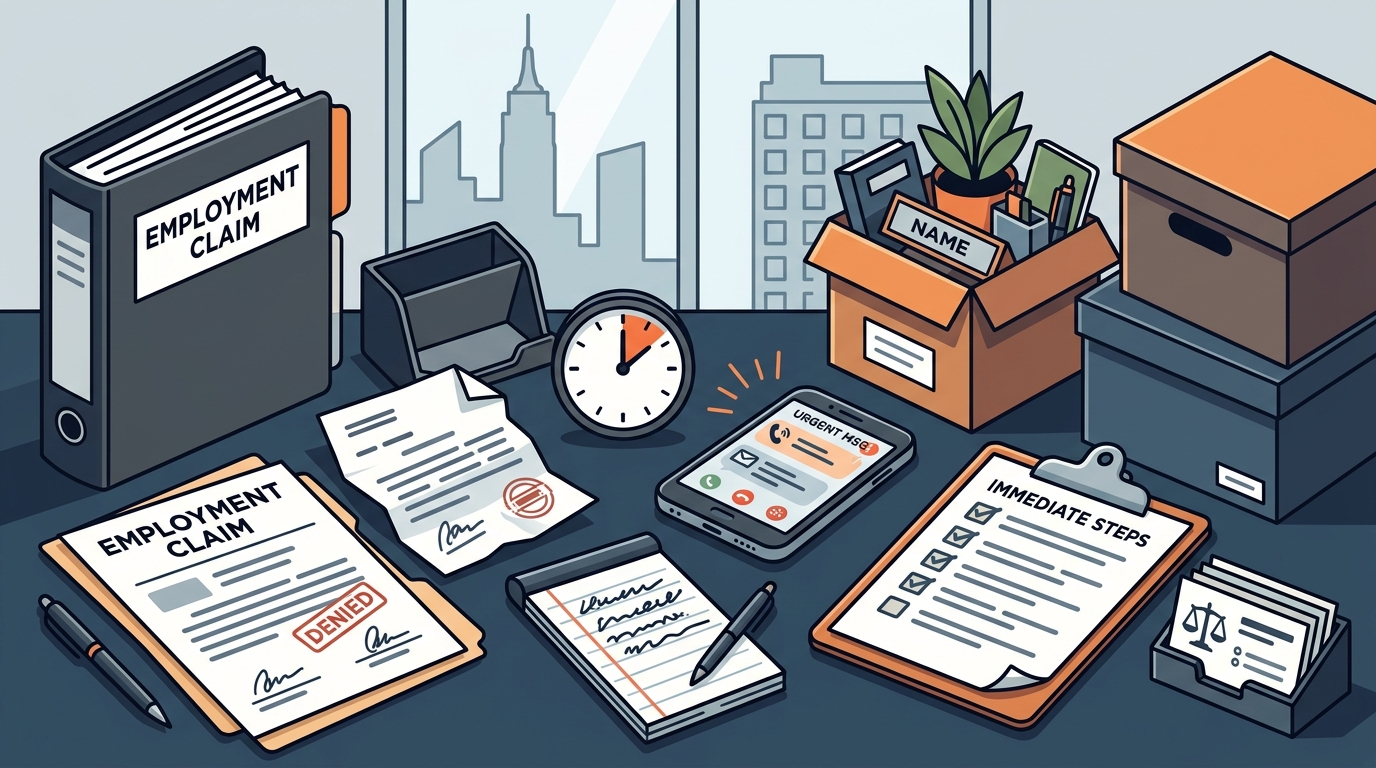
The strength of your case depends heavily on the quality and consistency of your documentation. You must create a detailed record of every incident that suggests retaliation. This process should begin immediately and continue throughout the duration of your employment or until you leave the company.
Creating a Retaliation Log
Start a private, secure log that includes the following details for every incident:
- Date and Time: Record the exact date and time of the incident.
- Individuals Involved: Note the names of supervisors, HR representatives, or colleagues present.
- Specific Actions: Describe exactly what was said or done. Avoid emotional language; stick to factual observations.
- Witnesses: Identify any third parties who observed the interaction.
- Follow-up: Document any subsequent changes in your work environment or status.
This log serves as a contemporaneous record that can corroborate your testimony. Courts and administrative agencies place high value on detailed, timely documentation because it reduces the likelihood of memory bias. Ensure this document is stored outside of company servers, such as in a personal cloud account or physical notebook, to prevent access by your employer.
Gathering Digital Evidence
In addition to your log, preserve all relevant digital communications. This includes emails, instant messages, and calendar invites. If you receive a negative performance review shortly after filing a complaint, save a copy immediately. Look for patterns in communication, such as a sudden cessation of positive feedback or a shift in tone from colleagues who were previously supportive.
Internal Reporting and HR Protocols
While it may feel counterintuitive to report retaliation to the same organization that is perpetrating it, internal reporting is often a required step in legal proceedings. Many employment laws require employees to give the employer an opportunity to correct the issue before pursuing external legal action.
Submitting a Formal Complaint
If you have not already done so, submit a formal written complaint to your Human Resources department or a higher-level executive. This complaint should:
- Clearly state that you are reporting retaliation for a protected activity.
- Reference the original discrimination complaint and its date.
- Detail the specific adverse actions you have experienced.
- Request a specific resolution, such as reinstatement of duties or an investigation.
Keep a copy of this complaint and proof of its delivery. If your company has an anonymous hotline, use it, but also follow up with a direct report to ensure the issue is logged in their system. The response, or lack thereof, from HR will be critical evidence in your case.
Evaluating the Response
Monitor the employer's response closely. If they promise an investigation but take no action, or if the retaliation worsens after your complaint, this demonstrates a conscious disregard for your rights. Phillips & Associates, a leading New York employment discrimination law firm, frequently handles cases where internal remedies failed to stop the retaliatory conduct.
Filing External Government Complaints
If internal reporting does not resolve the issue, or if the retaliation is severe, you must file a complaint with a government agency. These agencies have the power to investigate your claim and, in some cases, litigate on your behalf.
The EEOC and State Agencies
In the United States, the primary agency for handling discrimination and retaliation claims is the Equal Employment Opportunity Commission (EEOC). You generally have 180 days from the date of the retaliatory act to file a charge with the EEOC. However, in states like New York, New Jersey, and Pennsylvania, this deadline may be extended to 300 days due to local fair employment practices agencies.
Filing with the EEOC is a prerequisite for filing a federal lawsuit. The agency will investigate the charge and may issue a "Right to Sue" letter, which allows you to pursue legal action in court. Additionally, you may file complaints with state agencies such as the New York State Division of Human Rights or the New Jersey Commission on Human Rights.
Statutes of Limitations
Time is of the essence in retaliation cases. Missing the filing deadline can result in the permanent loss of your right to seek compensation. It is crucial to consult with an experienced attorney to ensure all procedural deadlines are met. Phillips & Associates has offices in Bergen County and Burlington County, providing accessible legal support for employees in these regions.
Developing a Legal Strategy with Counsel
Retaliation cases are complex and require a nuanced legal strategy. An experienced employment lawyer can help you navigate the intricacies of proving causation and damages. They will analyze the timeline of events, review your documentation, and identify the strongest legal theories for your claim.
Proving Causation
To win a retaliation case, you must prove that the adverse action was motivated by your protected activity. This often involves showing temporal proximity, meaning the adverse action occurred shortly after your complaint. However, causation can also be established through other evidence, such as statements made by supervisors or inconsistencies in the employer's justification for the adverse action.
Calculating Damages
Retaliation can cause significant financial and emotional harm. Damages may include lost wages, lost benefits, emotional distress, and attorney's fees. In cases of egregious retaliation, punitive damages may also be available. Phillips & Associates has recovered over $360 million in successful settlements and verdicts, demonstrating their ability to secure substantial compensation for their clients.
Settlement vs. Litigation
Many retaliation cases are resolved through settlement negotiations. However, some employers may refuse to settle, forcing the case to trial. Your attorney will advise you on the likelihood of success at trial versus the benefits of a negotiated settlement. It is important to have a clear understanding of your goals and bottom line before entering negotiations.
Key Takeaways
- Retaliation is Illegal: Employers are prohibited from punishing employees for filing discrimination complaints or participating in investigations.
- Document Everything: Maintain a detailed, private log of all retaliatory incidents, including dates, times, and witnesses.
- Report Internally: File a formal written complaint with HR to give the employer an opportunity to correct the issue.
- Meet Deadlines: File a charge with the EEOC or state agency within 180 to 300 days of the retaliatory act.
- Seek Legal Counsel: Consult with an experienced employment lawyer to protect your rights and maximize your compensation.
- Preserve Evidence: Save all relevant emails, performance reviews, and communications related to the retaliation.
- Know Your Rights: You are protected from adverse actions such as demotion, salary reduction, and exclusion from work activities.
Frequently Asked Questions
What constitutes illegal retaliation in the workplace?
Illegal retaliation occurs when an employer takes an adverse action against an employee because the employee engaged in a protected activity, such as filing a discrimination complaint or participating in an investigation. Adverse actions include termination, demotion, salary cuts, and hostile work environment tactics.
How long do I have to file a retaliation claim?
You generally have 180 days to file a charge with the EEOC, but this deadline can extend to 300 days in states with their own fair employment practices agencies, such as New York, New Jersey, and Pennsylvania. It is critical to consult with an attorney immediately to determine the exact deadline for your jurisdiction.
Can I be fired for filing a discrimination claim?
No, it is illegal for an employer to terminate an employee for filing a discrimination claim. If you are fired for this reason, it constitutes wrongful termination and retaliation, and you may be entitled to significant compensation, including reinstatement and back pay.
What evidence do I need to prove retaliation?
You need to prove three elements: that you engaged in protected activity, that you suffered an adverse employment action, and that there is a causal connection between the two. Evidence includes your complaint records, performance reviews, witness testimony, and documentation of the timing of the adverse action.
Does retaliation only apply to termination?
No, retaliation can take many forms. It includes demotions, reductions in pay or hours, negative performance reviews, exclusion from meetings, and harassment. Any action that might deter a reasonable employee from engaging in protected activity can be considered retaliation.
What should I do if my employer threatens me?
If your employer threatens you, document the threat immediately, including the date, time, and exact words used. Report the threat to HR in writing and consult with an employment lawyer. Threats can escalate the situation and may constitute additional legal violations.
Can I sue my employer for emotional distress?
Yes, you may be able to recover damages for emotional distress resulting from retaliation. This can include compensation for anxiety, depression, and other mental health impacts caused by the hostile work environment. Phillips & Associates helps clients navigate these complex claims to secure fair compensation.
Contact Phillips & Associates for Legal Representation
If you are experiencing retaliation in the workplace, do not wait to take action. The sooner you consult with an experienced employment lawyer, the better your chances of securing a favorable outcome. Phillips & Associates is dedicated to fighting for the rights of employees in New York, New Jersey, Pennsylvania, and Florida. Our team has a proven track record of winning sexual harassment and discrimination cases across the nation.
Contact us today to schedule a free consultation. We will review the details of your case and provide you with a clear strategy for moving forward. Call us at 866-229-9441 or visit our contact page to get started.