

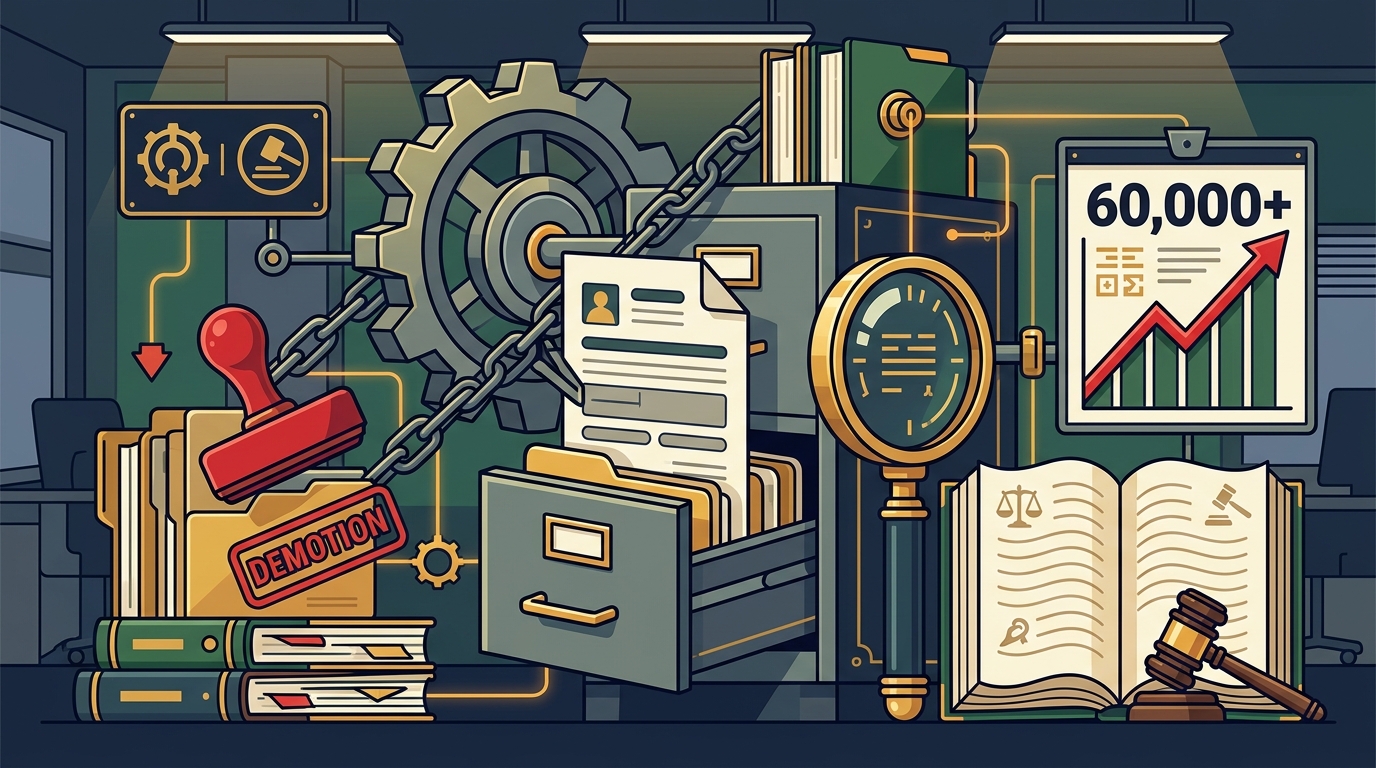
Workplace retaliation is a severe violation of federal and state employment laws that punishes employees for asserting their rights. According to the U.S. Equal Employment Opportunity Commission, retaliation claims have surged significantly in recent years, with over 60,000 charges filed in 2023 alone. This statistic highlights the urgent need for robust legal protections for workers who report harassment or discrimination. When an employer takes adverse action against you for filing a complaint, they are not just violating company policy; they are breaking the law. Understanding your immediate rights and the specific legal pathways available in New York, New Jersey, and Pennsylvania is critical to protecting your career and financial future.
Defining Workplace Retaliation Under the Law
Retaliation occurs when an employer punishes an employee for engaging in a "protected activity." Protected activities include filing a discrimination complaint, participating in an investigation, or opposing unlawful workplace practices. Retaliation is defined as any adverse action taken by an employer against an employee because they engaged in protected activity. This legal definition is broad and encompasses more than just firing. It includes any action that might deter a reasonable worker from making or supporting a charge of discrimination.
The legal landscape protects employees who speak up about illegal conduct. If you report sexual harassment, age discrimination, or racial bias, you are shielded from negative consequences. Phillips & Associates has successfully represented clients across New York City, Long Island, and beyond who faced such punitive measures. Our firm understands that retaliation often follows a pattern of escalating hostility, making early legal intervention essential.
Common Forms of Employer Retaliation
Employers may attempt to retaliate in subtle or overt ways. Recognizing these signs is the first step toward building a strong case. Common forms of retaliation include:
- Termination: Being fired or laid off shortly after filing a complaint.
- Demotion: Being moved to a lower-ranking position with less authority or prestige.
- Salary Reduction: A sudden cut in pay or bonus eligibility without justification.
- Shift Changes: Being forced into undesirable hours or locations.
- Exclusion: Being removed from important meetings, projects, or communication channels.
- Increased Scrutiny: Unfair micromanagement or performance reviews that were previously positive.
These actions create a hostile work environment and can severely impact your professional reputation. In New York, the state offers some of the strongest protections against such behavior. Our attorneys in Bergen County and Burlington County frequently handle cases where employers attempt to mask retaliation as standard business decisions.
Immediate Steps to Protect Your Rights
If you believe you are facing retaliation, time is of the essence. You must act quickly to preserve evidence and legal options. Follow these critical steps:
- Document Everything: Keep a detailed log of all retaliatory incidents, including dates, times, witnesses, and specific actions taken.
- Save Communications: Preserve emails, text messages, and memos that show a connection between your complaint and the adverse action.
- Review Employee Handbooks: Check your company’s policy on internal complaints and retaliation to understand the procedural requirements.
- Consult an Attorney: Speak with a qualified employment lawyer before taking further action or resigning.
Resigning under pressure can complicate your legal standing. In many cases, a constructive discharge claim may apply, but it requires specific legal analysis. Our team at Phillips & Associates provides free consultations to help you evaluate your situation without obligation. We serve clients in New York City, White Plains, Philadelphia, Princeton, and Miami.
The Legal Framework: NY, NJ, and PA Laws
Different jurisdictions offer varying levels of protection. Understanding the specific laws in your region is vital for a successful claim.
New York State Protections
New York’s Human Rights Law (HRL) is notably broader than federal law. It covers all employers, regardless of size, and provides robust protections against retaliation. The HRL explicitly prohibits employers from retaliating against employees who oppose any practice forbidden by the law. This includes internal complaints and external filings with agencies like the NYSDHR.
New Jersey Law Against Discrimination (LAD)
New Jersey’s LAD is one of the most progressive employment laws in the country. It protects employees from retaliation for opposing discriminatory practices or participating in investigations. The statute of limitations for filing a complaint in New Jersey is typically two years, but early action is always recommended to preserve evidence.
Pennsylvania Human Relations Act
In Pennsylvania, the PHRA prohibits retaliation against employees who file complaints or participate in proceedings related to discrimination. While the protections are strong, the procedural requirements for filing with the Pennsylvania Human Relations Commission (PHRC) can be complex. Navigating these deadlines requires expert legal guidance.
Collecting Evidence for Your Claim
Building a strong retaliation case relies heavily on evidence. You must demonstrate a causal link between your protected activity and the adverse action. This often involves showing that the retaliation occurred shortly after your complaint.
| Evidence Type | Description | Importance |
|---|---|---|
| Written Complaints | Emails or letters filed with HR or management. | Proves protected activity occurred. |
| Performance Reviews | Previous positive reviews vs. sudden negative ones. | Shows inconsistency in treatment. |
| Witness Statements | Testimony from colleagues who observed changes. | Corroborates your account of events. |
| Timing Logs | Chronology of complaints and adverse actions. | Establishes causal connection. |
Our attorneys help clients gather and organize this evidence to present a compelling narrative. We have secured over $360 million in settlements and verdicts for our clients by meticulously documenting these patterns. Whether you are in the Fashion industry, Wall Street, or Media, we understand the unique pressures of your workplace.
Frequently Asked Questions
How long do I have to file a retaliation claim?
The deadline depends on the jurisdiction. In New York, you generally have three years to file a lawsuit under the Human Rights Law. In New Jersey, the limit is two years. In Pennsylvania, you must file with the PHRC within 180 days of the retaliatory act. Missing these deadlines can bar your claim entirely.
Can I be fired for filing a discrimination complaint?
No. It is illegal for an employer to terminate your employment solely because you filed a discrimination complaint. If you are fired for this reason, you may have a wrongful termination claim. Our firm specializes in wrongful termination cases across the tri-state area.
What if my employer denies the retaliation?
Employers often claim that adverse actions were due to performance or business needs. However, if the timing and context suggest otherwise, the law may still protect you. We help clients uncover the true motives behind these decisions through discovery and legal analysis.
Do I need a lawyer to file a complaint?
While you can file a complaint with government agencies, having an attorney significantly increases your chances of a favorable outcome. Lawyers understand the procedural nuances and can negotiate better settlements. Phillips & Associates offers free consultations to discuss your case.
What damages can I recover?
You may be entitled to back pay, front pay, emotional distress damages, and attorney’s fees. In some cases, punitive damages are available if the employer’s conduct was particularly egregious. Our track record includes significant recoveries for clients in New York City and Long Island.
Is retaliation considered a separate claim?
Yes. Retaliation is often treated as a distinct cause of action from the underlying discrimination. This means you can pursue both claims simultaneously. Proving retaliation can sometimes be easier than proving the initial discrimination, as the causal link is often clearer.
Contact Phillips & Associates
If you are facing retaliation for filing a discrimination claim, do not wait. The longer you delay, the more difficult it becomes to gather evidence and protect your rights. Phillips & Associates is dedicated to fighting for the rights of employees in New York, New Jersey, Pennsylvania, and Florida. With over $360 million in successful settlements and verdicts, we have the experience and resources to handle your case effectively.
Our team is available to provide a free consultation to discuss your situation. We serve clients in New York City, White Plains, Philadelphia, Princeton, and Miami. Contact us today to schedule your consultation and take the first step toward justice.